S Sewer Inspect Pros
Main Line Inspection in New York, NY
New York, NY · 10001 Local camera techs

Main Line Inspection in New York, NY Near Me

Scope the main drain under the slab or basement floor of your New York, NY home, where old cast iron often hides. Call (844) 468-1966 to book.

Recorded video footage
Defects logged by distance
Buyer and owner focused
Plain-language findings

The main line, or building drain, is the large pipe that collects every branch inside the house and carries it out through the foundation to the lateral. In basement homes it often runs along a wall or under the floor; in slab homes it is buried in the soil beneath the concrete. Because it sits under finished floors, it gets less attention than the yard line, yet it handles all of the house's waste.

What the camera checks inside the house

  • Cast iron condition: scale, tuberculation and channeling, where the bottom of the pipe has worn thin or open
  • Joints where branch lines tie in, a common spot for cracks and leaks
  • Under-slab sections that have settled with the soil and now hold water
  • The house trap, where older homes have one, and the cleanout fittings
  • The point where the building drain passes through the foundation and becomes the lateral

Why it matters in slab homes

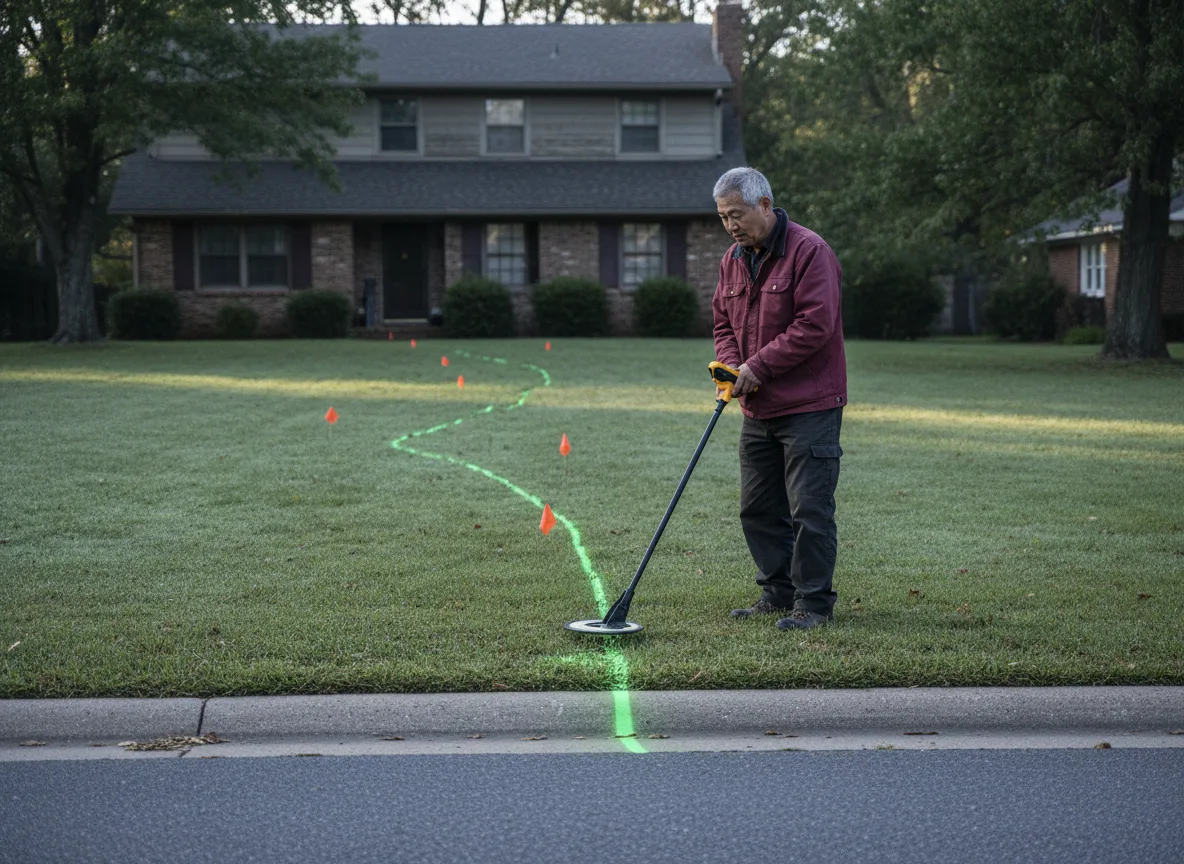
A leaking drain under a slab can wash soil out from beneath the floor without showing up anywhere until a crack, a damp spot or a smell appears. Camera footage with distance counts, combined with a locate from above, shows where under the floor a problem sits, which helps if anyone later has to cut the concrete.

Pairing it with a lateral scope

Many inspections in New York, NY cover both pieces in one visit: the main line inside the house and the lateral outside. Ask when booking whether the access point lets the camera travel both directions, so the report covers the whole path from the house to the public main.
How it works

Four simple steps to Sewer Camera Inspection in New York, NY

01

Tell us about your job

Call (844) 468-1966 with the address, the age of the house and the reason you want the line scoped.

02

Access point chosen

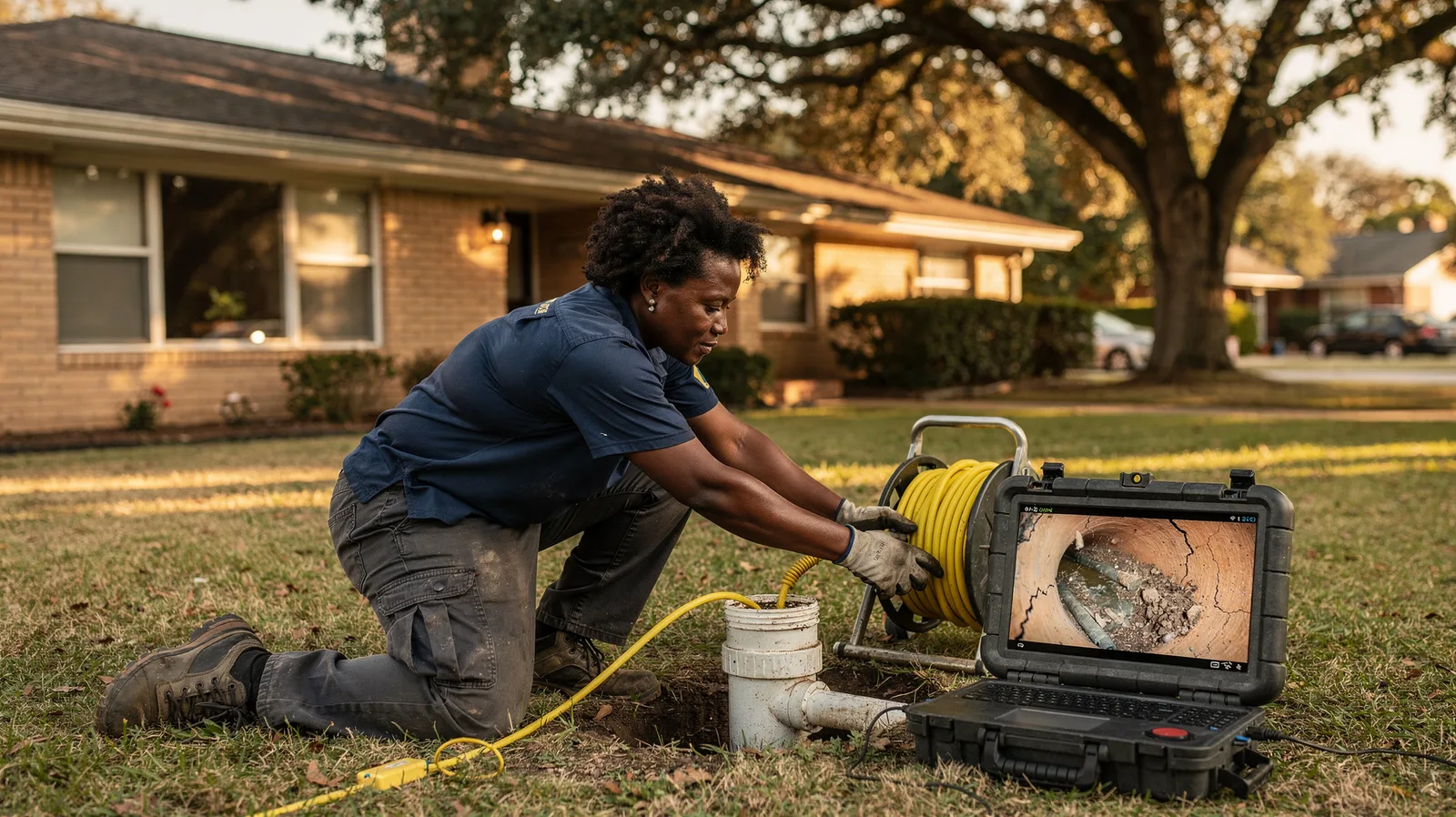
The tech goes in through a cleanout, a pulled toilet or a roof vent, whichever reaches the main line best.

03

Camera run and recording

The camera travels toward the public main or septic tank while the footage records with a running distance count.

04

Job done right

You get the video and the notes, then decide whether the line needs attention, monitoring or nothing at all.

Coverage

Sewer Camera Inspection Services Across New York, NY

Sewer camera inspections booked in cities and towns across New York, NY.

Neighborhoods we cover for Sewer Camera Inspection

  • Manhattan
  • Upper East Side

ZIP codes we serve

10001 10002 10003 10004 10005 10006 10007 10009 10010 10011 10012 10013 10014 10016 10017 10018 10019 10020 10021 10022 10023 10024 10025 10026 10027 10028 10029 10030 10031 10032 10033 10034 10035 10036 10037 10038 10039 10040 10044 10065 10069 10075 10103 10110 10111 10112 10115 10119 10128 10152 10153 10154 10162 10165 10167 10168 10169 10170 10171 10172 10173 10174 10177 10199 10271 10278 10279 10280 10282
Main Line Inspection in New York, NY

Main Line Inspection FAQs

Frequently asked questions about Main Line Inspection

Questions we hear most often about Main Line Inspection in New York, NY.

Talk to a real person
What does a sewer camera inspection actually show?
It shows the inside of your main sewer line on video: the pipe material, the joints, and any roots, cracks, sags, offsets or debris, along with where the line meets the public main or septic tank. A distance counter records how far each problem sits from the access point, which helps anyone who later needs to dig or repair at that exact spot.
What is Orangeburg pipe, and why do inspectors flag it?
Orangeburg is a fiber pipe made from wood pulp and coal tar pitch, installed widely from the 1940s into the 1970s. After a few decades underground it starts to soften, blister and flatten under the weight of the soil, and on camera it often looks oval. Because it keeps deforming, most owners plan to replace it rather than patch it.
Who is responsible for the sewer line between my house and the street?
In most U.S. cities the homeowner owns the lateral from the house to at least the property line, and often all the way to the connection at the public main, including the part under the street. Rules differ from city to city. Check with the public works department that serves New York, NY before you approve repairs, so you know which section is yours.
Does the line need to be cleaned before a camera inspection?
Not usually. A camera can travel a working line with normal flow, and running a little water helps show the grade. If the line is fully blocked or coated in heavy grease, the camera may not pass and the line may need clearing first. For a home purchase, get the seller's permission before any cleaning, since clearing can hide conditions a buyer wants to see.
How often should a sewer line be inspected?
There is no single rule. Many owners scope a line when they buy a home and again only if symptoms show up. Homes with clay, cast iron or Orangeburg pipe, large trees nearby, or a known defect being monitored benefit from a scope every year or two. Comparing each new video with the last one shows whether anything is changing.

Buying a house?

Need Sewer Camera Inspection in New York, NY? Call now.

Buying a house, chasing a backup that keeps coming back or weighing a repair bid? Call (844) 468-1966 and we will book a sewer camera inspection with a local tech.

Call (844) 468-1966 Services